How to Recognize Increased Brain Pressure Symptoms Early
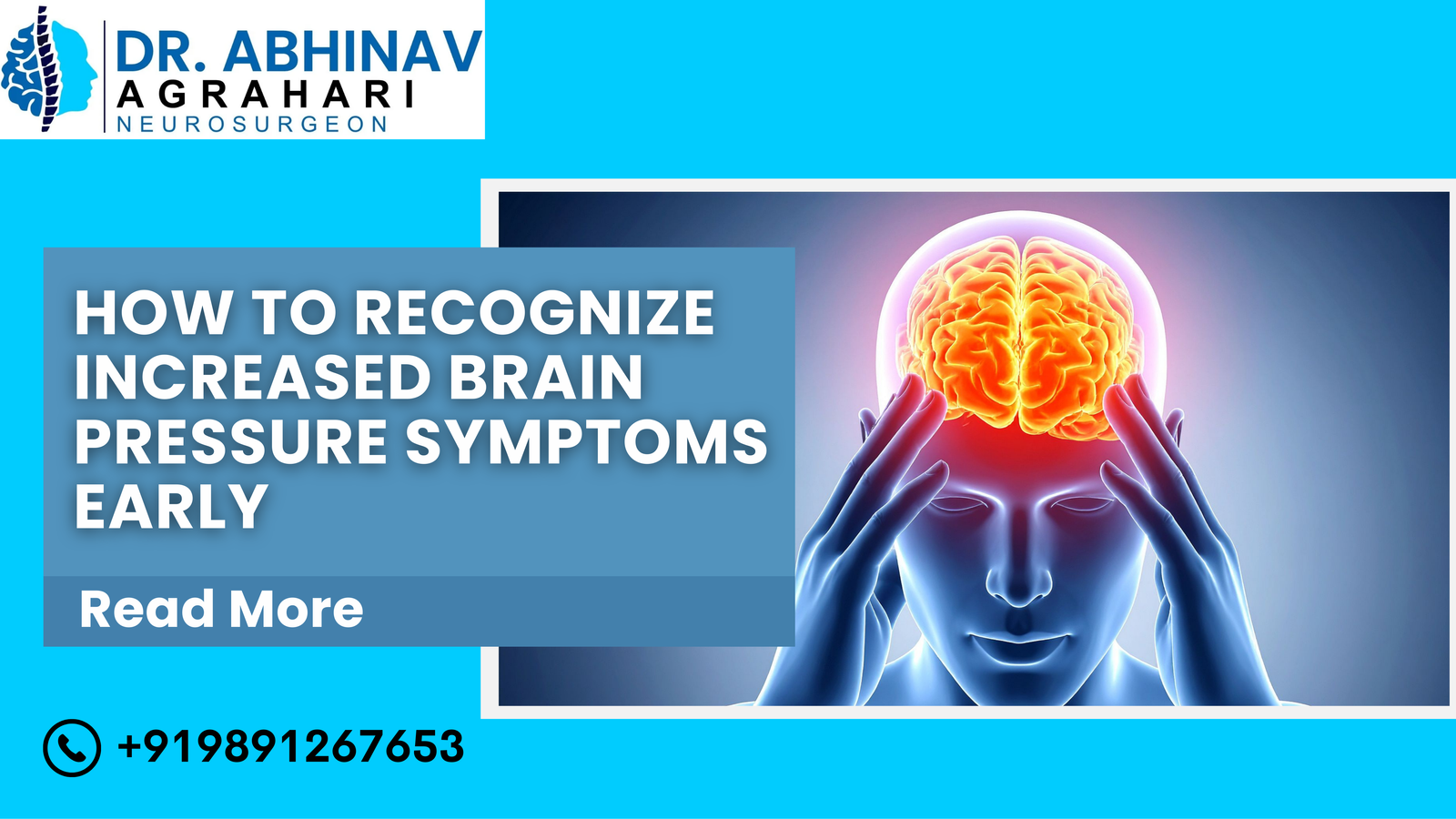
The brain is one of the most sensitive and vital organs in the human body. It is protected by the skull, cerebrospinal fluid, and protective membranes. However, when pressure builds up inside the skull, it can affect brain function and become life-threatening if not treated promptly. This condition is called increased intracranial pressure (ICP), or increased brain pressure.
Recognizing the symptoms early can make a life-saving difference. With timely diagnosis and treatment guided by the Best Neurosurgeon in South Delhi, patients can avoid serious complications and recover safely.
What Is Increased Brain Pressure?
Increased brain pressure occurs when there is excessive pressure inside the skull. The skull is rigid and cannot expand, so any swelling, bleeding, fluid buildup, or tumor can increase pressure on brain tissues.
This pressure can interfere with blood flow to the brain, reducing oxygen supply and damaging brain cells.
Common causes include:
- Head injury
- Brain tumors
- Brain infections
- Stroke
- Brain swelling (edema)
- Hydrocephalus (fluid buildup)
Early diagnosis by the Best Neurosurgeon in South Delhi helps identify the cause and prevent permanent damage.
Why Early Recognition Is Critical
The brain controls breathing, movement, thinking, and consciousness. Increased pressure can affect these functions quickly. If untreated, it can lead to brain damage, coma, or even death.
Recognizing symptoms early and seeking help from the Best Neurosurgeon in South Delhi allows faster treatment and better recovery.
Early Symptoms of Increased Brain Pressure
Symptoms may start mildly and worsen over time. Common early warning signs include:
1. Persistent Headache
This is the most common symptom. The headache may:
- Be worse in the morning
- Increase with coughing or bending
- Feel constant and severe
Unlike regular headaches, this pain does not improve easily with medication.
2. Nausea and Vomiting
Unexplained vomiting, especially without stomach illness, can be an early sign of increased brain pressure.
This happens because pressure affects the brain’s vomiting control center.
3. Blurred or Double Vision
Increased pressure can affect the optic nerves, leading to:
- Blurred vision
- Double vision
- Temporary vision loss
Vision changes should always be evaluated urgently by the Best Neurosurgeon in South Delhi to prevent permanent damage.
4. Drowsiness or Fatigue
Patients may feel unusually sleepy, tired, or less alert. This happens because pressure interferes with brain function.
Family members may notice personality changes or reduced responsiveness.
5. Difficulty Concentrating or Confusion
Early brain pressure can affect thinking ability. Patients may experience:
- Confusion
- Memory problems
- Difficulty focusing
These symptoms may worsen if pressure continues to increase.
Advanced Symptoms That Require Immediate Attention
As pressure increases, symptoms become more serious, including:
- Seizures
- Loss of consciousness
- Unequal pupil size
- Severe confusion
- Weakness in arms or legs
These are medical emergencies. Immediate care from the Best Neurosurgeon in South Delhi is essential.
How Increased Brain Pressure Is Diagnosed
Doctors use several methods to confirm increased brain pressure:
- Neurological examination
- CT scan
- MRI scan
- Eye examination
- Pressure monitoring in severe cases
These tests help identify the exact cause and guide treatment.
The Best Neurosurgeon in South Delhi uses advanced diagnostic tools to ensure accurate and timely diagnosis.
Treatment Options
Treatment depends on the underlying cause and severity.
Common treatments include:
- Medications to reduce swelling
- Draining excess fluid
- Surgery to remove tumors or bleeding
- Oxygen therapy
- Monitoring in intensive care
Early treatment improves survival and recovery outcomes.
The Best Neurosurgeon in South Delhi creates a personalized treatment plan for each patient.
When Should You Seek Immediate Medical Help?
Seek urgent medical care if you notice:
- Severe or persistent headache
- Sudden vision changes
- Repeated vomiting
- Confusion or drowsiness
- Seizures or unconsciousness
Delaying treatment can increase the risk of permanent brain damage.
Prompt consultation with the Best Neurosurgeon in South Delhi ensures faster diagnosis and safer treatment.
Prevention and Risk Reduction
While not all causes can be prevented, some steps can reduce risk:
- Wear helmets to prevent head injuries
- Control blood pressure
- Treat infections early
- Avoid ignoring persistent headaches
- Get regular health checkups
Early awareness and medical evaluation can protect brain health.
Conclusion
Increased brain pressure is a serious medical condition that requires immediate attention. Early symptoms such as persistent headache, vomiting, blurred vision, and confusion should never be ignored.
Recognizing these warning signs and seeking timely care from the Best Neurosurgeon in South Delhi can prevent complications and protect brain function.
Your brain health is vital. Early action can save lives and ensure better recovery.
FAQs
1. What causes increased brain pressure?
Head injury, tumors, infections, stroke, or fluid buildup.
2. Is increased brain pressure dangerous?
Yes, it can cause brain damage if untreated.
3. What is the first symptom?
Persistent headache is the most common early symptom.
4. Can increased brain pressure be treated?
Yes, with medication or surgery, depending on the cause.
5. When should I see a neurosurgeon?
Immediately, if symptoms like severe headache or confusion appear.