How Neurosurgeons Diagnose Brain and Spine Disorders
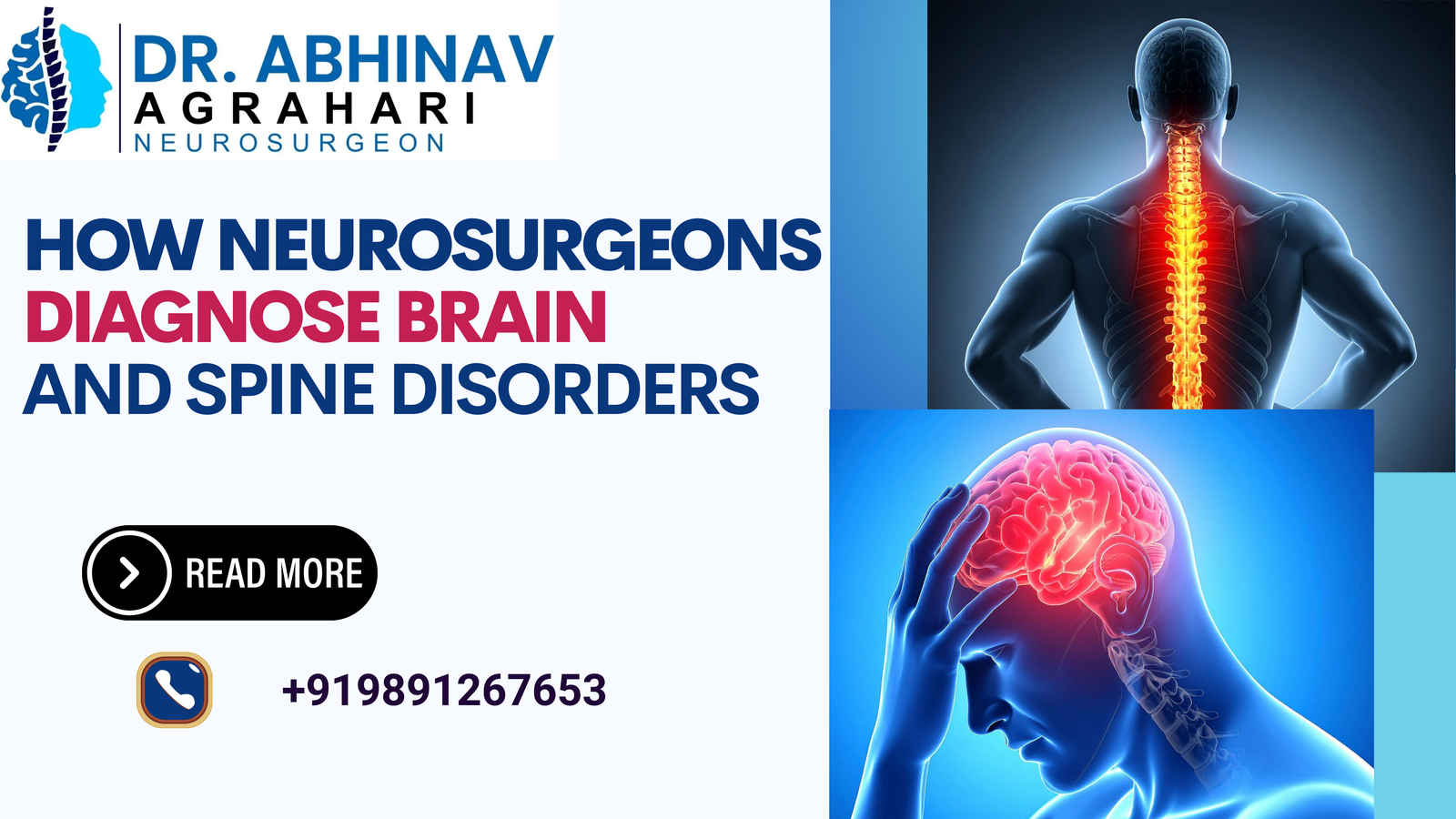
Brain and spine disorders can affect everything from movement and memory to sensation and overall quality of life. Symptoms like persistent headaches, back pain, numbness, or weakness can be frightening and confusing. This is where neurosurgeons play a critical role—not just in performing surgery, but in accurately diagnosing the problem.
Diagnosis is a careful, step-by-step process that combines listening, examination, and advanced technology. A skilled and experienced Best Neurosurgeon in South Delhi focuses on understanding both the medical condition and the patient’s personal experience to ensure accurate and safe diagnosis.
Step 1: Understanding the Patient’s Medical History
Diagnosis begins with a detailed conversation. This is one of the most important steps because symptoms often provide valuable clues.
The neurosurgeon may ask questions such as:
- When did the symptoms start?
- How severe is the pain or discomfort?
- Is the pain constant or intermittent?
- Are there symptoms like weakness, numbness, or dizziness?
- Is there a history of injury or trauma?
This discussion helps the Best Neurosurgeon in South Delhi identify patterns and possible causes before conducting physical tests.
Patients should be honest and detailed, as even small symptoms can provide important diagnostic insights.
Step 2: Neurological Physical Examination
After reviewing medical history, the neurosurgeon performs a neurological examination. This helps evaluate how well the brain, spinal cord, and nerves are functioning.
This exam may include checking:
- Muscle strength
- Reflexes
- Balance and coordination
- Sensation and touch response
- Vision and eye movement
- Speech and cognitive ability
These simple, painless tests help the Best Neurosurgeon in South Delhi determine which part of the nervous system may be affected.
For example, weakness in one limb may indicate nerve compression, while balance issues may point to brain or spinal cord involvement.
Step 3: Imaging Tests for Accurate Diagnosis
Imaging tests allow neurosurgeons to see inside the brain and spine. These tests are essential for identifying structural problems.
MRI (Magnetic Resonance Imaging)
MRI is one of the most important diagnostic tools. It provides detailed images of:
- Brain tissue
- Spinal cord
- Nerves
- Tumors or lesions
MRI helps detect conditions such as tumors, slipped discs, infections, or nerve compression.
CT Scan (Computed Tomography)
A CT scan uses X-rays to create detailed cross-sectional images. It is especially useful for detecting:
- Brain injuries
- Bleeding in the brain
- Bone fractures in the spine
The Best Neurosurgeon in South Delhi often uses CT scans in emergencies because they provide quick results.
X-Ray
X-rays are commonly used to examine spinal alignment and bone health. They can help detect:
- Spinal fractures
- Structural abnormalities
- Degenerative spine conditions
Although less detailed than MRI, X-rays provide valuable initial information.
Step 4: Advanced Diagnostic Tests
In some cases, additional tests may be required to evaluate nerve and brain function more precisely.
Nerve Conduction Study (NCS)
This test measures how well electrical signals travel through nerves. It helps diagnose nerve damage or compression.
Electromyography (EMG)
EMG evaluates muscle activity and nerve health. It helps detect conditions affecting nerve-muscle communication.
Blood Tests
Blood tests help identify infections, inflammation, or underlying medical conditions affecting the nervous system.
The Best Neurosurgeon in South Delhi selects only necessary tests to avoid unnecessary procedures while ensuring accurate diagnosis.
Step 5: Careful Analysis and Diagnosis
After reviewing medical history, examination findings, and test results, the neurosurgeon carefully analyzes all information.
The goal is to identify:
- The exact cause of the symptoms
- The severity of the condition
- Whether surgery is required or not
It is important to understand that not all brain and spine conditions require surgery. Many conditions can be treated with medication, therapy, or lifestyle changes.
A responsible Best Neurosurgeon in South Delhi always considers the safest and most appropriate treatment option.
Step 6: Explaining the Diagnosis to the Patient
Diagnosis is not complete until the patient understands their condition. Neurosurgeons explain:
- The exact problem
- Its cause
- Treatment options
- Recovery expectations
This helps patients feel informed, confident, and less anxious.
The Best Neurosurgeon in South Delhi ensures patients and families fully understand the condition before making any treatment decisions.
Why Accurate Diagnosis Matters
Proper diagnosis is essential because it ensures:
- Correct treatment planning
- Avoidance of unnecessary surgery
- Faster recovery
- Reduced complications
- Better long-term outcomes
An accurate diagnosis is the foundation of effective treatment.
Conclusion
Diagnosing brain and spine disorders is a careful and compassionate process that combines medical expertise, advanced technology, and patient understanding. From reviewing symptoms to performing neurological exams and imaging tests, each step plays a vital role in identifying the exact problem.
With proper evaluation and guidance from the Best Neurosurgeon in South Delhi, patients can receive an accurate diagnosis, appropriate treatment, and peace of mind. Early diagnosis not only improves treatment outcomes but also helps patients regain their quality of life safely and confidently.
FAQs
1. What is the first step in diagnosis?
Reviewing medical history and symptoms.
2. Is an MRI always required?
Not always, but it is commonly used.
3. Are neurological exams painful?
No, they are simple and painless.
4. How long does diagnosis take?
It can take a few days to weeks.
5. Do all diagnoses require surgery?
No, many conditions are treated without surgery.