
The Neuroscience of Poor Posture: What Happens Inside Your Body
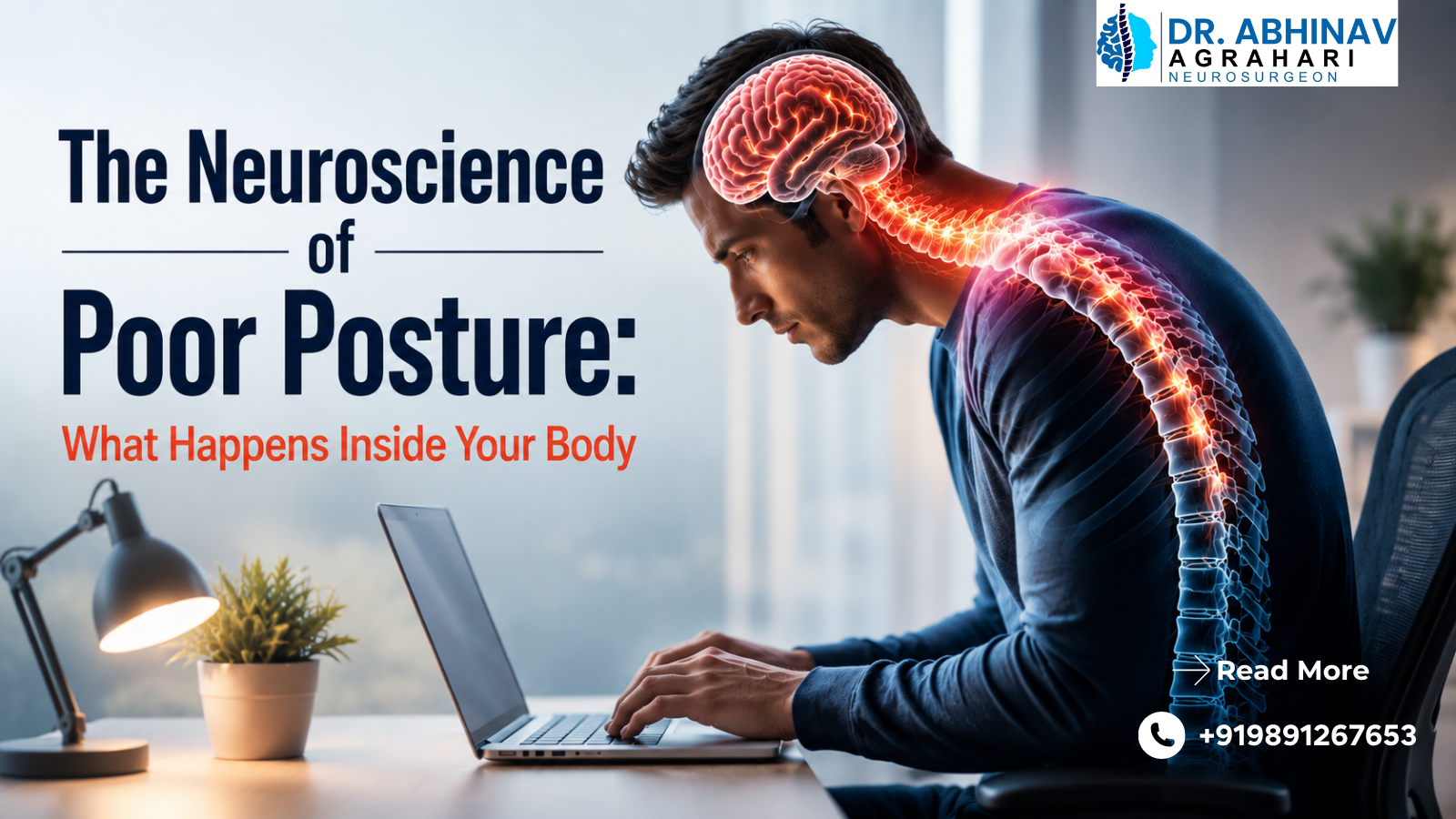
Most people think of posture as simply standing or sitting up straight. However, posture is much more than a matter of appearance. It directly influences how your brain, nervous system, muscles, and spine communicate with one another.
In today's digital age, hours spent on laptops, smartphones, and desks have made poor posture increasingly common. What many people don't realize is that the effects go far beyond occasional neck or back pain. According to the Best Brain Tumor Surgeon in South Delhi, posture plays a significant role in overall neurological and musculoskeletal health.
Understanding Posture and the Nervous System
Your brain constantly receives information from muscles, joints, and nerves to maintain balance and movement. This process is known as proprioception—the body's ability to understand its position in space.
When posture is poor for prolonged periods:
Muscles become imbalanced
Nerve pathways work less efficiently
Movement patterns change
The brain receives altered feedback
The Best Brain Tumor Surgeon in South Delhi explains that these changes can affect how the body functions on a daily basis.
What Happens When You Slouch?
Slouching may seem harmless, but it creates a chain reaction throughout the body.
Increased Stress on the Spine
A forward head posture places extra pressure on the cervical spine. For every inch the head moves forward, the neck muscles must work harder to support it.
This can lead to:
Neck pain
Shoulder tension
Upper back discomfort
The Best Brain Tumor Surgeon in South Delhi often notes that chronic poor posture contributes to long-term spinal strain.
How Poor Posture Affects Brain Function
Many people are surprised to learn that posture can influence brain performance.
Reduced Blood Flow
Poor posture may compress muscles and blood vessels, potentially affecting circulation.
As a result:
Oxygen delivery may become less efficient
Mental fatigue may increase
Concentration may decline
The Best Brain Tumor Surgeon in South Delhi emphasizes that healthy circulation is essential for optimal brain function.
Increased Mental Fatigue
Research suggests that poor posture may contribute to feelings of tiredness and reduced alertness.
People who sit in slouched positions often report:
Lower energy levels
Reduced focus
Increased discomfort during work
The Best Brain Tumor Surgeon in South Delhi highlights the connection between physical alignment and mental performance.
The Impact on Nerves
Your nervous system depends on clear communication between the brain and body.
Poor posture can contribute to:
Nerve Compression
When joints and muscles remain in unnatural positions for long periods, surrounding nerves may become irritated.
Symptoms can include:
Tingling sensations
Numbness
Radiating pain
The Best Brain Tumor Surgeon in South Delhi advises early evaluation if neurological symptoms develop.
How Poor Posture Affects Breathing
Many people overlook the relationship between posture and breathing.
When you slouch:
The chest becomes compressed
Lung expansion decreases
Breathing becomes shallower
Shallow breathing can contribute to:
Reduced oxygen intake
Fatigue
Increased stress levels
The Best Brain Tumor Surgeon in South Delhi explains that proper posture supports healthier breathing patterns.
Emotional and Psychological Effects
Interestingly, posture can also influence mood.
Studies have suggested that upright posture may be associated with:
Improved confidence
Better focus
Reduced feelings of stress
While posture alone does not determine emotional health, the Best Brain Tumor Surgeon in South Delhi recognizes that physical and mental well-being are closely connected.
Common Causes of Poor Posture
Modern lifestyles have created several risk factors:
Prolonged laptop use
Smartphone overuse
Sedentary work habits
Lack of exercise
Weak core muscles
The Best Brain Tumor Surgeon in South Delhi frequently encourages preventive lifestyle changes to address these issues.
How to Improve Your Posture
Small daily adjustments can make a significant difference.
Maintain Screen Height
Keep screens at eye level whenever possible.
Strengthen Core Muscles
A strong core helps support spinal alignment.
Take Regular Movement Breaks
Stand, stretch, and walk every 30–60 minutes.
Practice Ergonomic Sitting
Use a supportive chair and keep feet flat on the floor.
The Best Brain Tumor Surgeon in South Delhi recommends consistency rather than dramatic changes.
When Should You Seek Medical Advice?
Consult a specialist if you experience:
Persistent neck or back pain
Frequent headaches
Tingling or numbness
Balance difficulties
Ongoing posture-related discomfort
The Best Brain Tumor Surgeon in South Delhi emphasizes that early intervention often leads to better outcomes.
Conclusion
Poor posture is far more than a cosmetic concern. It can affect the brain, nervous system, circulation, breathing, and overall quality of life. The good news is that posture-related problems are often preventable through awareness, movement, and healthy daily habits.
By paying attention to how you sit, stand, and move, you can support both neurological and spinal health for years to come. If symptoms persist or interfere with daily activities, consult the Best Brain Tumor Surgeon in South Delhi. can help identify underlying issues and guide appropriate treatment.
FAQs
1. Can poor posture affect the brain?
Yes, it can influence circulation, focus, and mental fatigue.
2. Does slouching cause neck pain?
Yes, it increases strain on neck muscles and the spine.
3. Can posture affect breathing?
Yes, poor posture can restrict lung expansion.
4. How can I improve my posture?
Use ergonomic setups, exercise, and take regular breaks.
5. When should I see a doctor?
If pain, numbness, or posture-related symptoms persist.

